Tribe Records
In 1970s Detroit, a circle of musicians built their own label, their own magazine and their own terms.
The short version
Tribe was a collective of Detroit musicians: Wendell Harrison, Phil Ranelin, Marcus Belgrave, Harold McKinney, Roy Brooks, Charles Moore and Doug Hammond, among others. Under one roof they ran a record label, a production company and a magazine. It grew out of the ashes of the 1967 uprising: trombonist Phil Ranelin arrived in Detroit in 1968, when, as he put it, you could still smell the smoke, and met saxophonist Wendell Harrison at Metro Arts, a government-funded arts program for local youth. They found they had the same goals and dreams, and built Tribe around them.

Marcus Belgrave, Wendell Harrison and Phil Ranelin at a 2011 Tribe reunion. Photo by W. Kim Heron, CC BY-SA 4.0, via Wikimedia Commons.

Who to hear
- Wendell Harrison and Phil Ranelin. Message From The Tribe (1973). The first Tribe LPs were drawn from concerts at the Detroit Institute of Arts, mixing jazz and poetry around the issues of the day.
- Wendell Harrison. An Evening With The Devil, an angry, beautiful record from the label's first years.
- Marcus Belgrave. Gemini II (1974), the trumpeter's space-tinged session.
- Phil Ranelin. Vibes From The Tribe (1976), which his liner notes called "a searching and pleading call for unity, dedicated to the Black children of the universe."
- Doug Hammond and David Durrah. Reflections In The Sea Of Nurnen (1975).
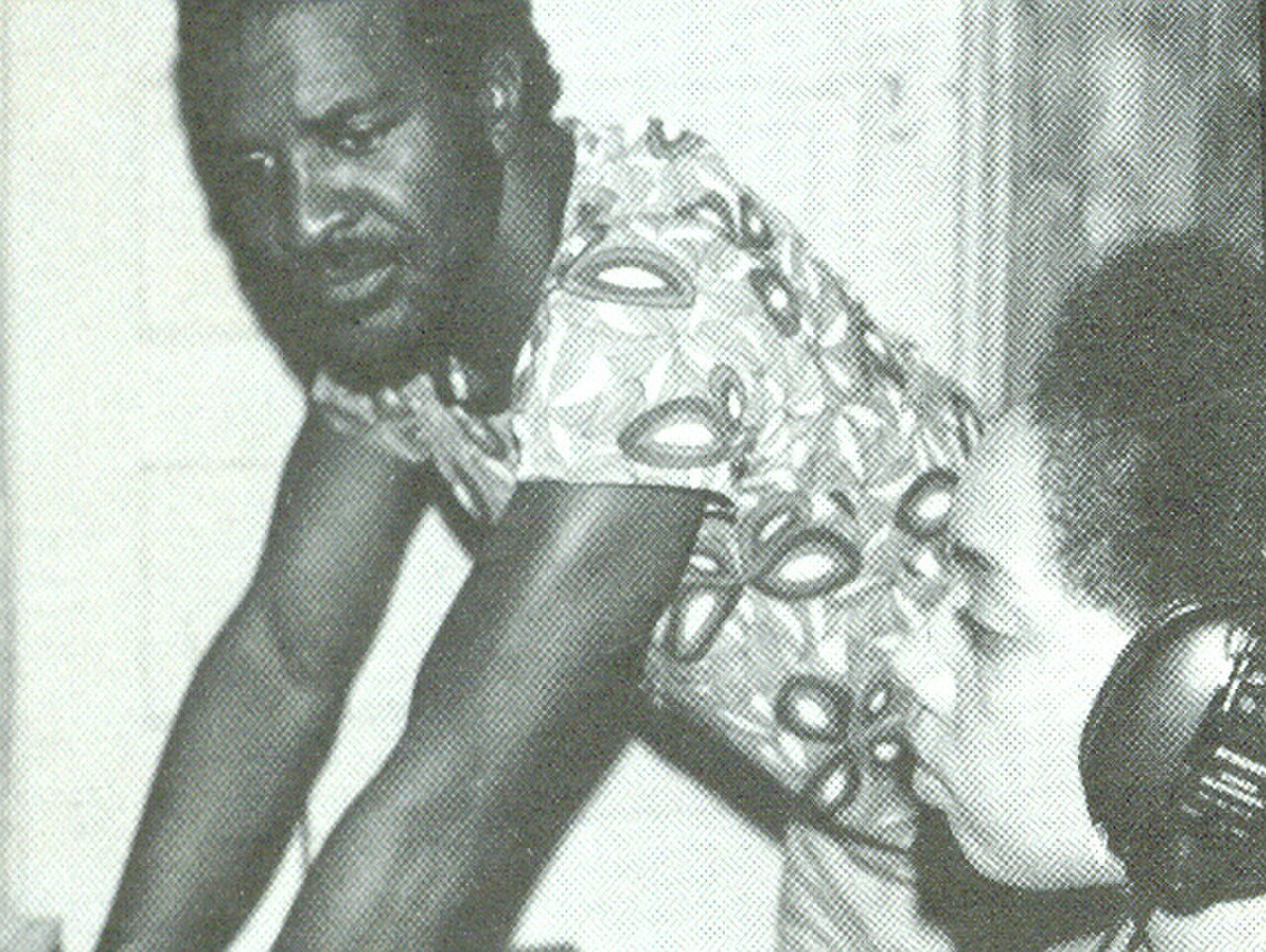
Wendell Harrison at the Dreams of a Love Supreme sessions. Photo by Patricia Harrison, CC BY 2.0, via Wikimedia Commons.

More than a label
Tribe Magazine balanced social issues with profiles of artists like Sun Ra and Herbie Hancock, and reached a circulation of about 25,000. Harrison edited it, hiring journalism students to write alongside professionals. The collective disbanded in 1977, when Ranelin left for Los Angeles and joined Horace Tapscott's Pan Afrikan Peoples Arkestra. Harrison kept going in Detroit through Rebirth and his WenHa label.
Where to start
Start with Message From The Tribe, then Vibes From The Tribe. The catalog was remixed and remastered from the original tapes under Ranelin and Harrison's own direction for Now-Again's 2022 box set, The Story of Tribe Records. The founders later recorded together again for Jazz Is Dead with Adrian Younge and Ali Shaheed Muhammad.
Why it matters
Tribe was self-determination pressed into vinyl. Inspired by the Black Power movement, its musicians created, marketed and distributed their records on their own terms. "We built names for ourselves rather than being glorified sidemen," Harrison says. "Nobody told them how to present themselves."
Sources
- Wikipedia: Tribe Records
- New York Times: The Enduring Power of the Detroit Jazz Collective Tribe
- Bandcamp Daily: The Continuing Impact of Tribe
- Now-Again Records: The Story of Tribe Records
More label guides are on the labels page. Want the short route in? Grab the free 10 albums guide.
Get the next Deep Listen first.
New stories go to the email list before they go anywhere else. Free, one a week.