Blue Note Records
The hard bop label had a church inside it. Through the 1960s, Blue Note kept making records that reached for the spiritual.
The short version
Alfred Lion, a German-Jewish emigrant, started Blue Note in New York in 1939 with writer Max Margulis. Lion's childhood friend Francis Wolff, a photographer, joined him at the end of that year. From 1953, Rudy Van Gelder recorded most of the label's sessions, and Blue Note paid musicians for rehearsal time, which almost no other label did. It became the hard bop label, then the home of post-bop and the avant-garde. And under all of it ran a gospel current that kept surfacing.
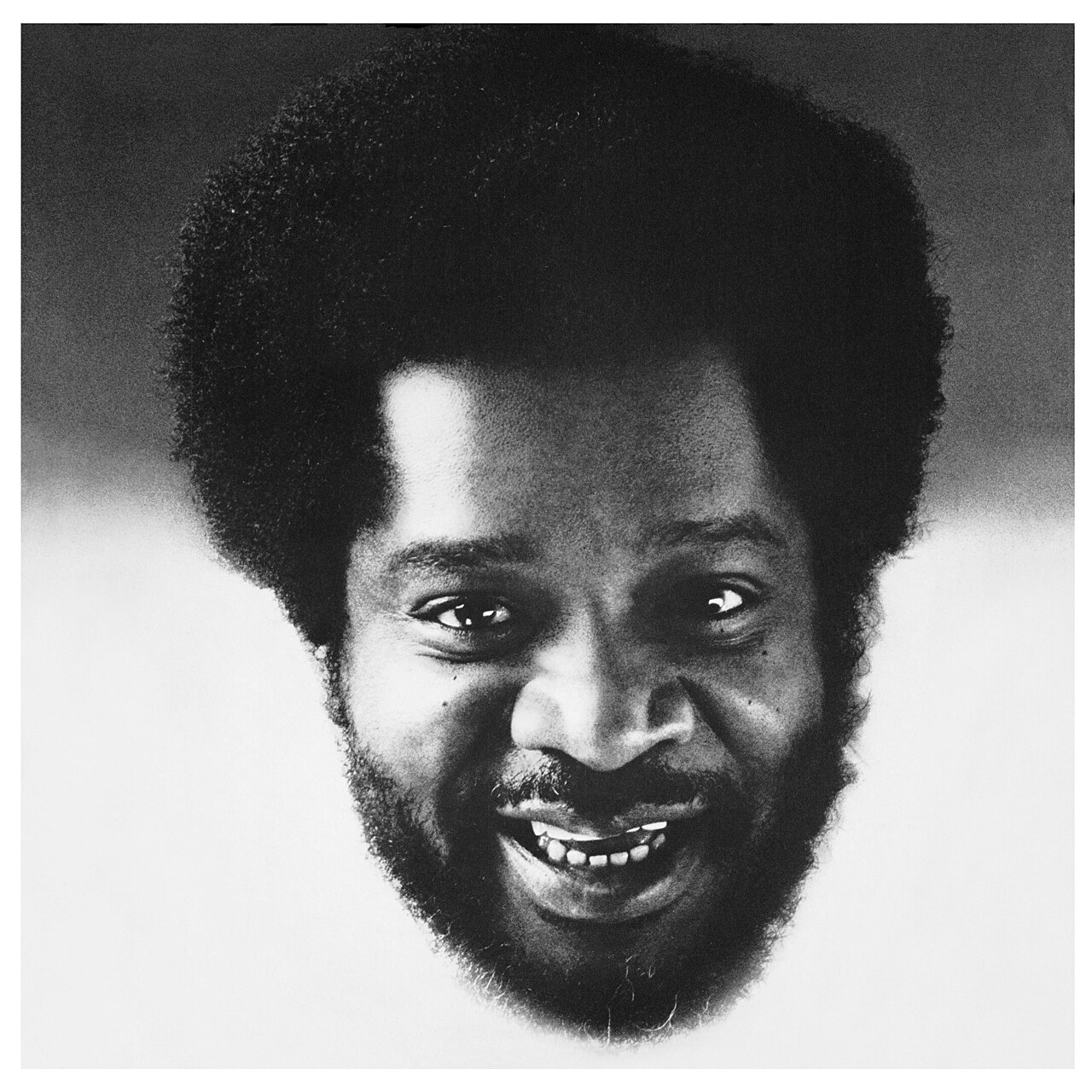
Donald Byrd in a 1975 Blue Note press photo. Distributed by Blue Note Records, no copyright markings (public domain), via Wikimedia Commons.

Who to hear
- Donald Byrd. A New Perspective (recorded 1963) put a wordless gospel choir inside a hard bop band, with Herbie Hancock on piano. Byrd called it "a modern hymnal." It opens with "Elijah" and peaks with Duke Pearson's "Cristo Redentor."
- Eddie Gale. Ghetto Music (1968), with the eleven voices of the Noble Gale Singers. Francis Wolff believed in it so much he paid for the session himself. Watch our film on it below.
- Wayne Shorter. The All Seeing Eye (recorded 1965), conceived, in Shorter's own liner notes, as an attempt to depict the meaning of life and the nature of God and the universe.
- Bobby Hutcherson. The vibraphonist behind Dialogue and Components (both 1965), two of the label's most adventurous dates.
- Larry Young. The organist behind Unity (1965). His playing on Of Love and Peace is what convinced Wolff to finance Eddie Gale's debut.
- Eric Dolphy. Out to Lunch! (1964), the label's avant-garde landmark.
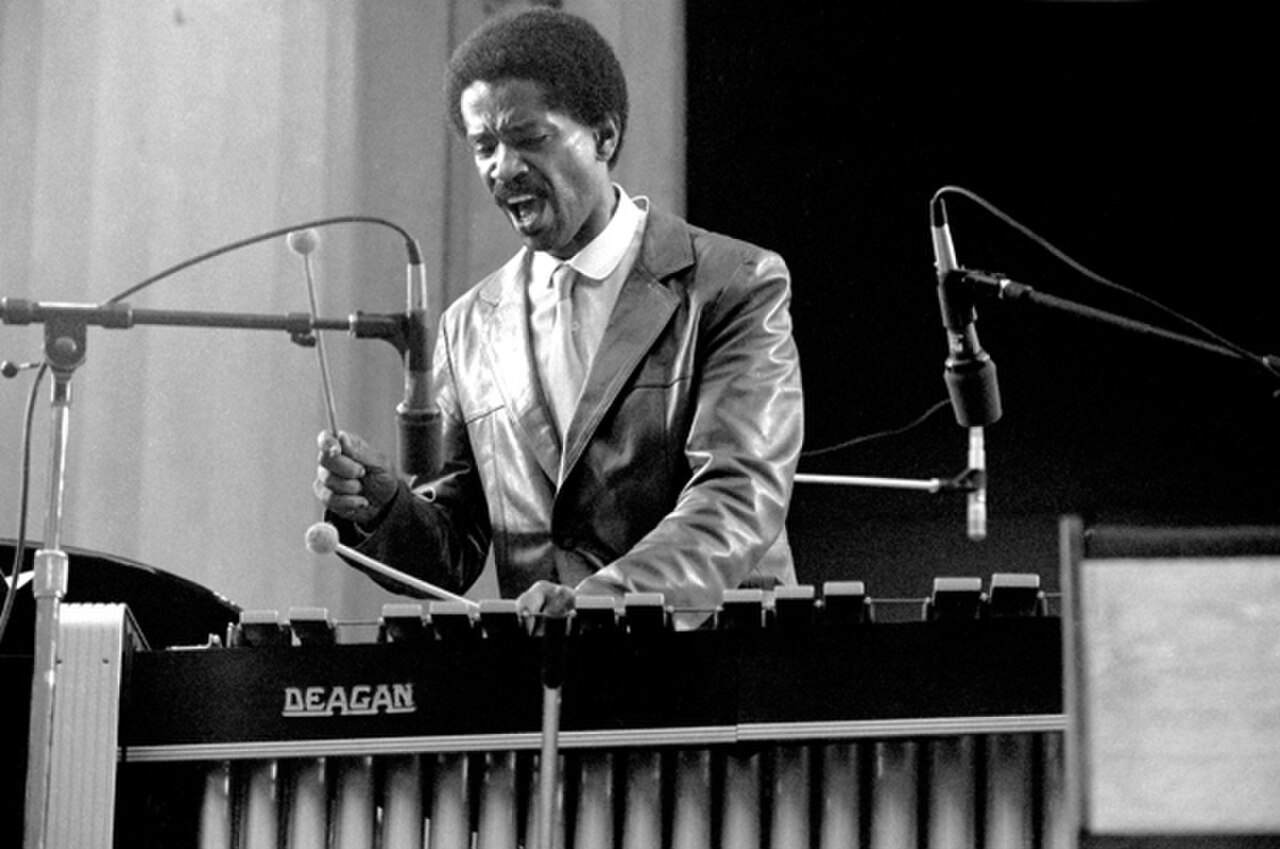
Bobby Hutcherson at the Berkeley Jazz Festival, 1982. Photo by Brian McMillen, CC BY-SA 3.0, via Wikimedia Commons.

Where to start
Start with A New Perspective. It is the warmest door into the label's spiritual side. Then Ghetto Music, the record Pitchfork called "a spiritually charged masterpiece."
Why it matters
Blue Note was the biggest independent jazz label of its era, and it still made room for music that prayed. Lion and Wolff let artists help shape their own records, and when no budget would cover Eddie Gale's gospel-jazz vision, Wolff reached into his own pocket. The spiritual tradition on Blue Note was not a side project. It was part of the point.
Watch
Our film on Ghetto Music: the Blue Note album Francis Wolff paid for himself.
Sources
- Wikipedia: Blue Note Records
- Wikipedia: A New Perspective
- Wikipedia: The All Seeing Eye
- Wikipedia: Ghetto Music
- Blue Note Records: Duke Pearson, Arranger
More label guides are on the labels page. Want the short route in? Grab the free 10 albums guide.
Get the next Deep Listen first.
New stories go to the email list before they go anywhere else. Free, one a week.