The record Alice Coltrane made at home
Journey in Satchidananda, 1971.
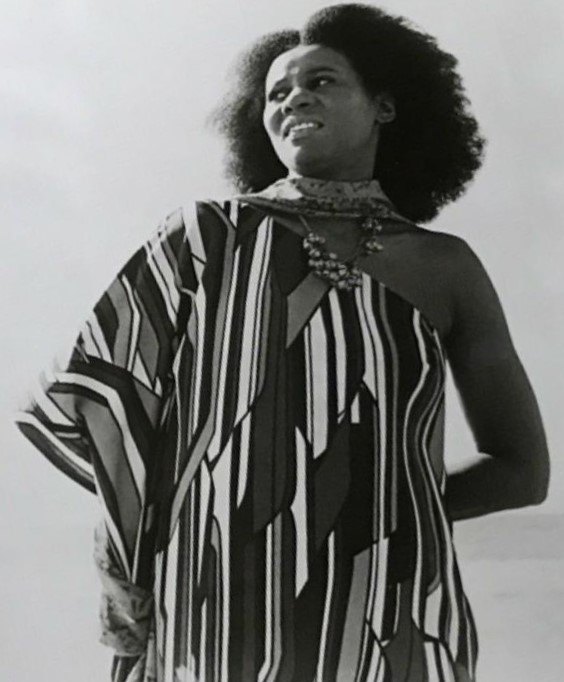
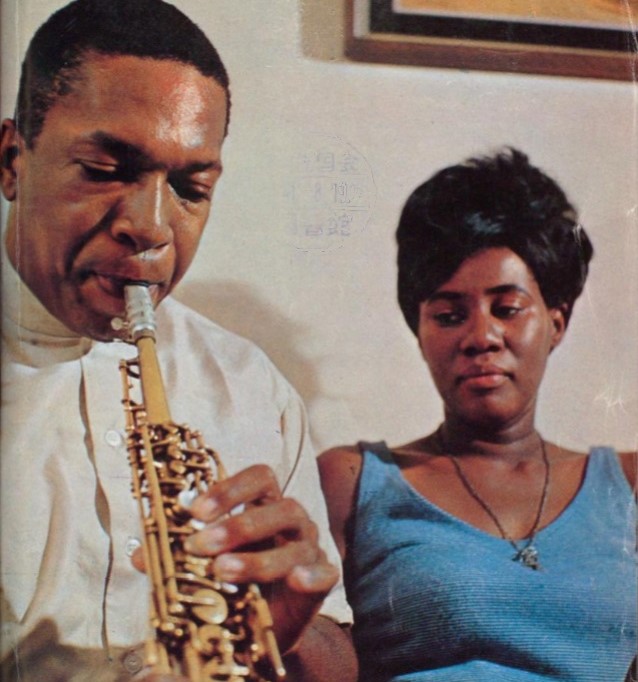
John Coltrane died in July 1967. Alice went through a very hard stretch after that. She lost weight and had sleepless nights. A friend in music introduced her to a yoga teacher, Swami Satchidananda, and she started studying with him.
In November 1970, she recorded most of this album at her own home studio in Dix Hills, New York. Pharoah Sanders is on it. So are bassists Cecil McBee and Charlie Haden and drummer Rashied Ali. Under everything runs a tanpura, an Indian drone instrument. One track, "Isis and Osiris," was recorded live at the Village Gate that July.
Pitchfork wrote that the album's "very texture ... is defined by transition, process, and flow." Rolling Stone ranked it number 446 on its 2020 list of the 500 greatest albums.

Journey in Satchidananda (title track)
Where it leads: Pharoah Sanders's Karma is the next stop, and it is in our free guide. After that, try Kamasi Washington's The Epic. It came out on Brainfeeder, the label of Flying Lotus, who is Alice Coltrane's grandnephew.
What came after: the ashram tapes
Alice never stopped making music, but she stepped away from the music business. In 1975 she founded the Vedantic Center in California, and in 1983 her community opened an ashram in the hills near Malibu. She took the name Turiyasangitananda, which she translated as "the Transcendental Lord's highest song of bliss," and served as the ashram's spiritual director.

On Sundays she led the singing. She wrote new melodies for old chants, played organ and synthesizer, and recorded the music on cassettes made for her own students: Turiya Sings in 1982, Divine Songs in 1987, Infinite Chants in 1990, and Glorious Chants in 1995. For years, almost nobody outside the ashram heard them.
That changed in 2017, ten years after she died, when the Luaka Bop label released The Ecstatic Music of Alice Coltrane Turiyasangitananda, drawn from those cassettes. The ashram itself is gone: it closed in 2017, and the land burned in the Woolsey fire a year later. The tapes are the door that stayed open.
Listen along
Every track this story mentions, playable right here:

Isis and Osiris (live at the Village Gate)

Turiya Sings (the ashram tapes, 1982)

Where it leads: Pharoah Sanders, Karma
Watch the film
Our documentary tells this part of her story. Press play:

Alice Coltrane: The Ashram Tapes
Heard it? Come talk about it in the listening room.
Get the next Deep Listen first.
New stories go to the email list before they go anywhere else. Free, one a week.